













Bubble Toys: Map the Filling and Assembly Route Before a Factory Visit
Use a toy cluster as a sourcing lead, then identify the actual sites responsible for the bubble-toy body, any supplied solution and final packing.
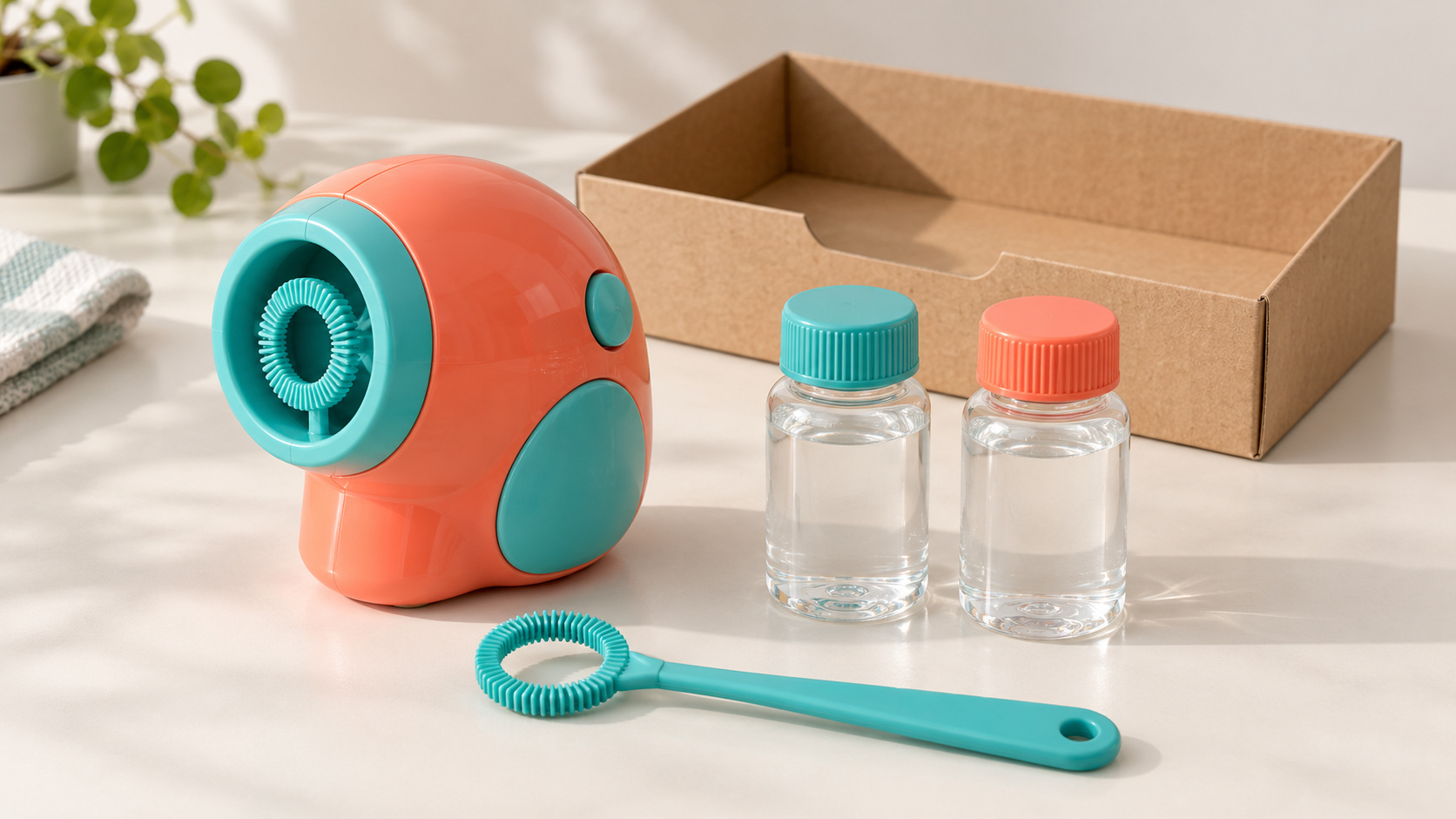
Before booking a visit to discuss a bubble-toy order, I would send a fairly simple request: “Could you mark where this version's plastic parts are made, where any supplied liquid is filled and where the set is packed?” I would want those notes on a map, with the supplier's meeting address identified separately if necessary. The reply would give me something specific to discuss when deciding what we could see at each stop.
For a search starting around Chenghai, I would use the wider toy industry as the regional lead. The district's plastic-toy production and supporting industry are described in Shantou's official industry information. I would take that background into the enquiry, then ask the shortlisted supplier to identify the sites for the particular model being quoted. Their map might include partners outside the area as well as local operations. I would keep those locations on it, rather than redraw the route to fit the name of the cluster.
For a bottle-and-wand set, I would draw separate boxes for the bottle, closure and wand, then ask the supplier to put the maker's site against each one. The next box would be the place where those parts were put together. If I were enquiring about a powered version, I would add the place where its mechanism was assembled into the housing. I would keep the drawing specific to the chosen toy, with a photograph of that version beside it. If the supplier proposed a different construction, we could change the route together before deciding which sites to visit.
The quotation would also tell me which liquid route to ask about. With an empty toy there might be no supplied solution to trace; with a filled reservoir or extra bottles, I would put the filling site on the page and ask where its liquid came from. I would want the supplier to distinguish the operation making the plastic bottle from the operation putting solution into it. The proposed route could show one site doing several jobs, or different sites handling mixing and filling. Seeing a bottle moulding machine during a visit would leave that part of the route unresolved unless the supplier explained how the liquid reached the filling operation.
I would then try following a packed unit backwards through the proposed records. From the order's carton reference, could we find the toy version and the solution lot supplied with it? If the bottles were packed separately alongside the toy, I would ask the packing site how it recorded that pairing. For a retained sample, I would keep the same references with the sample photographs. I would want a future enquiry to be able to follow the same route back to the responsible operations, including the filling site, without having to identify a liquid from the colour of its bottle cap.
Only then would I choose which locations to include in a visit. I would confirm the role and address of each proposed stop with the supplier, including any work being carried out by a partner. I would ask what could actually be observed there for this order, rather than expect a sample display to answer every production question. The completed route would stay with the order file and be checked again if filling, assembly or packing moved. Product testing and destination requirements would need their own review; the route would tell the buyer which operations and samples that review needed to cover.
Share the product, specifications, quantity and destination to discuss sourcing options.