


































Mark the Direction on an Activewear Fabric Sample
Keep fabric direction, stretch and recovery records tied to the actual garment panel instead of approving an unmarked swatch.
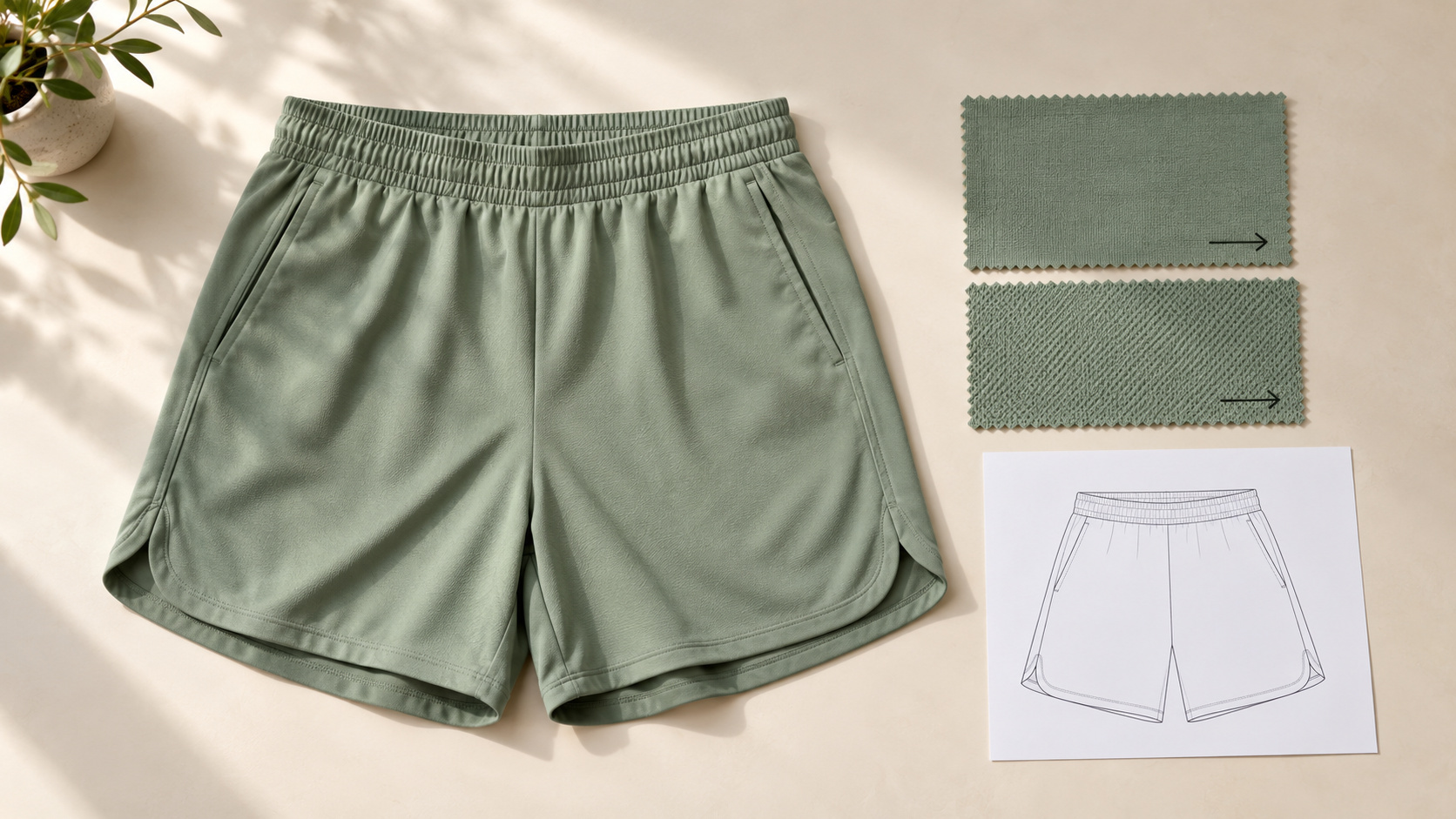
For an activewear fabric enquiry, I would ask for a swatch with its directions marked before discussing how stretchy it felt. The sample would carry the fabric reference, its face and the supplier's lengthwise and crosswise directions. I would keep the proposed garment panel drawing beside it. That would let the sample maker see how the buyer intended to use the fabric, rather than receive a loose square that could be turned either way on the table.
Stretch and recovery would have separate places in my notes. Intertek's explanation of stretch testing distinguishes extension under force from returning towards the original dimensions after stretching. I would ask the supplier what evidence it had for the quoted fabric, including the direction and method of the reported assessment. A description saying four-way stretch would remain a description until the corresponding material and results were identified. I would not turn a hand-stretched swatch into a numerical test report.
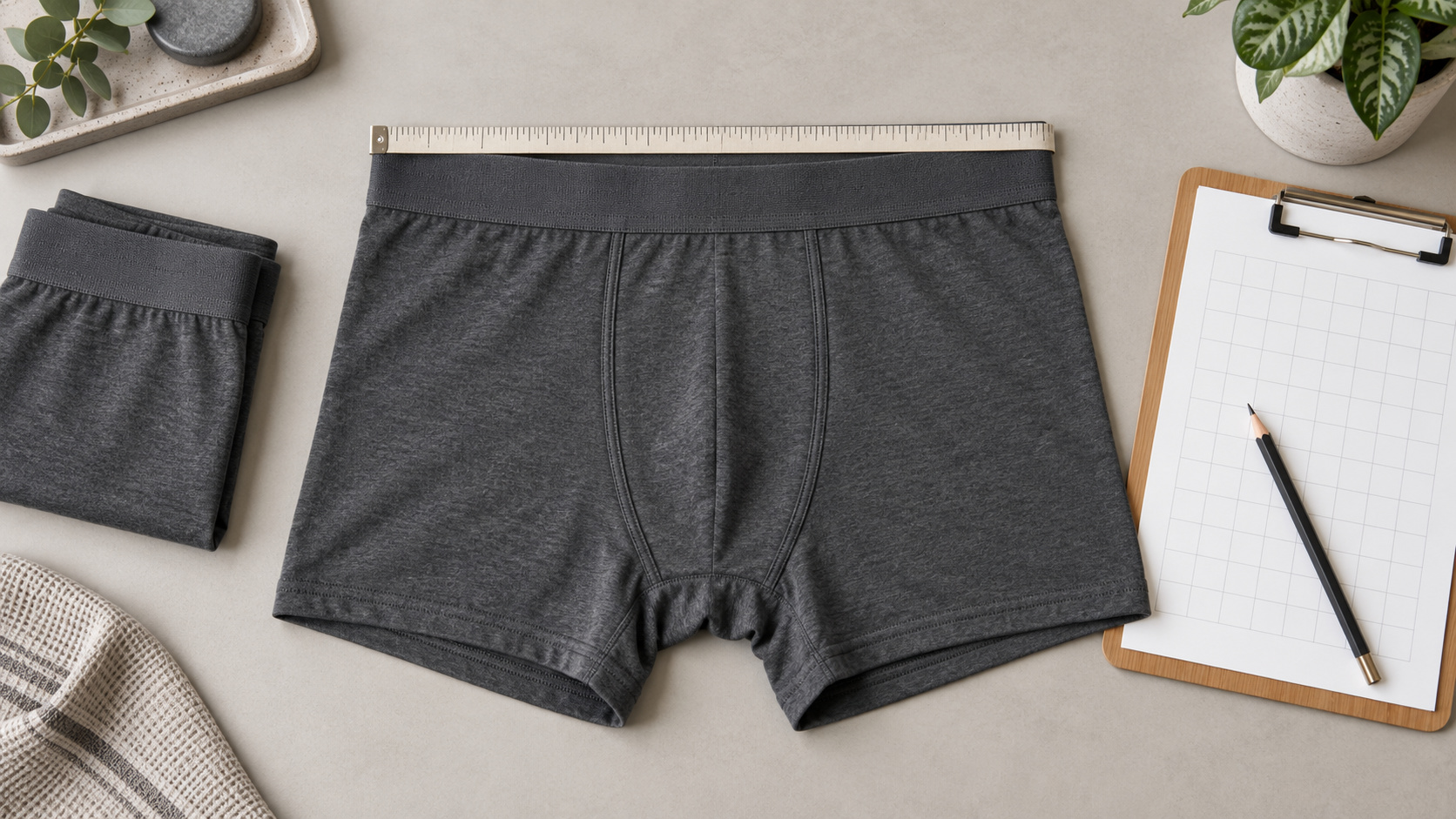
On a pair of sports shorts, for example, I would ask the supplier to mark which direction of the fabric ran across the body panel. The waistband might be another material or construction, so I would give it a separate reference if that was the proposed design. With the panel drawing returned, I would send its reference back on the sample request. A proposal to rotate a panel would need another drawing: I would ask to see where the original direction arrow went on the changed panel and keep both layouts in the sample history.
I would request photographs of the shorts from outside and inside, with a close view of the join between the panels under discussion. The maker could mark that join on the panel drawing and return the proposed seam description beside it. I would keep the seam photographs with the fabric reference for each sample, including the previous sample if another version was returned. During the review, I could place the two garments inside out next to one another and ask the maker to explain the construction at the marked join. The production specialist would address that construction against the buyer's garment requirements, including any separately agreed seam assessment.
If the shorts used another fabric at the waistband, I would ask the maker to attach a piece of it to the waistband drawing, leaving the body-panel swatch with its own drawing. Each one would keep its composition as declared, fabric reference and proposed panel location. If the supplier claimed a particular fibre brand, I would ask it to identify the material evidence for that claim. The LYCRA Company notes that not every stretch garment contains its branded fibre. I would therefore not write that brand name on an unverified stretch sample just because it extended when handled.
On the order, I would name the selected shorts sample and attach the drawing that showed how its body panels had been cut, keeping the marked swatches in that sample file. Any required assessment after care would be agreed separately, with the care conditions and material version identified. A change in finish, fabric or panel orientation would come back for review rather than inherit the old sample's results automatically. On a repeat enquiry, I could send the marked reference swatch and the accepted panel layout together, so the next sample began with the same material directions instead of a remembered impression that the fabric had stretched well.
Share the product, specifications, quantity and destination to discuss sourcing options.